Babel's Turnstiles
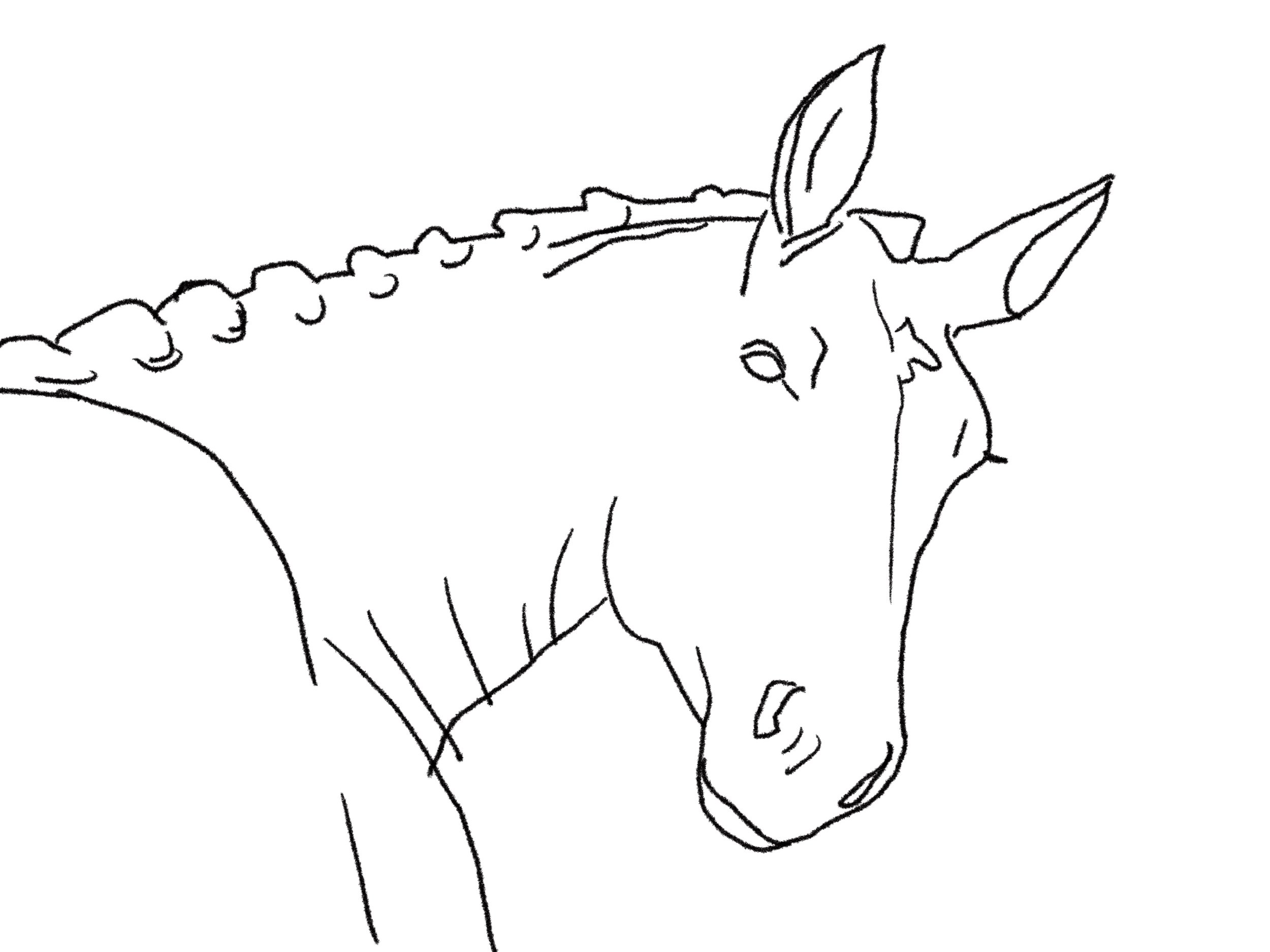
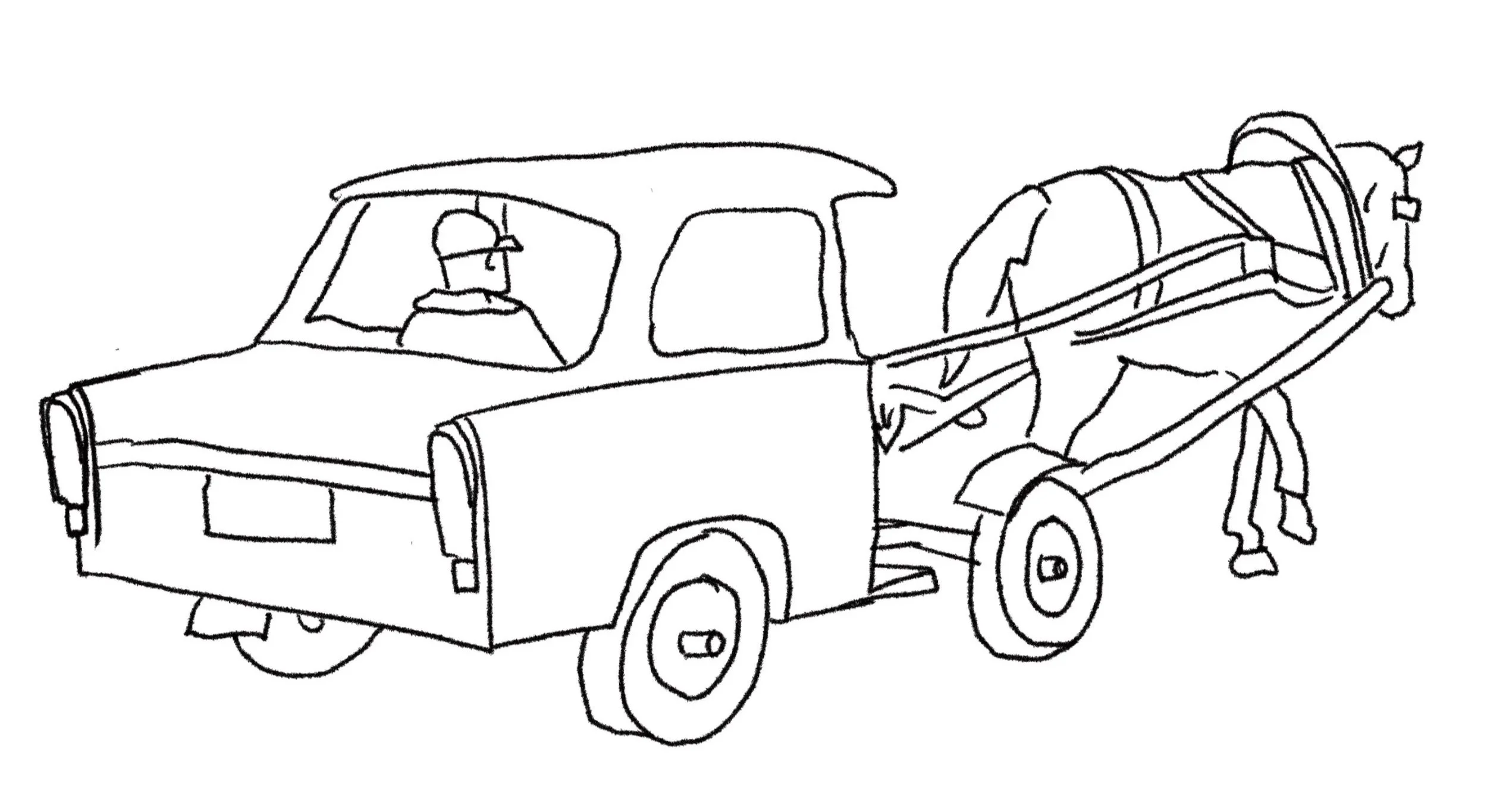
In a recent interview, George Lucas came out in support of AI, conceding ground and comparing the craft that made Star Wars to horses and buggies. By placing humans outside of the making context, or rather, by failing to realise it, he doesn't even notice that making films with AI makes him the horse.
I might have lost you here, dear reader. I will come back to the Babel thing in a moment. Firstly, let me say this: the director is myopic about what cinema did, does, and what it can do (or he is insincere). Before cinema, popular culture that relied on gathering humans in one place at the same time, from Greek theatre and amphitheatres to opera houses, created a shared collective subconscious and cultural reference field. In the twentieth century, cinema allowed for human interaction and, apart from the chills and frills, gave us a shared language and cultural references that create the rich substrata of civic life. It also gave us the lockstep rhythm of contemporary society, helped us coordinate. Now, within the AI cinema context, I'm seeing two eventualities, two extremes, if you will, and the future is likely to fall somewhere in between them.
Luxury Air-Conditioned Space Communism will give us solipsistic entertainment - you will be provided content tailored to your consumption patterns. This vision ignores basic physics. We'll never generate enough energy for everybody to have their own independent world created for them. The bandwidth, the processing power, the electricity: it's a problem of resource scarcity.
What is more likely to happen lies somewhere between the dorky Brecht's nightmare TV of Fahrenheit 451,, and THX 1138's solipsistic joy machine. Personalised enough to feel like freedom. Constrained enough to be controllable. In a way, we are already living between them, between AI girlfriends and the Ant and Dec’s Voting Scandal, both of those dystopian fictions have been realised.
Consider the studio system and cinema-going itself. Yes, cinema already pulled toward the solipsistic: the darkened room, the passive viewer. But within that constraint, people still gathered and built culture from the friction of shared experience. The commons was already fractured, but it existed - there were cracks where ferment could fester. AI filmmaking will finish what cinema started. It centralises narrative creation in one place, infinite places where it gets received and tweaked. That's not decentralisation; it's total centralisation of power wearing the costume of personalisation. You don't organise strikes if you never know what the person next to you saw, read, or was told. The opportunity for manipulation becomes so granular, so targeted to each person's particular vulnerabilities, that it would make Cambridge Analytica blush.
Let's go back to our tower now: the story tells us that jealousy of their enterprise collapsed the communication strata. The whole thing failed. But if recent years have shown us anything, it's that divide et impera is very cost effective and managed instability does not lead to collapse. Within AI filmmaking, that cost becomes orders of magnitude lower but in this scenario, Lucas the Horse doesn't even fit through the turnstiles of the tower.
He is fully removing himself from the equation. He sits in the museum he built, endorsing the technology that makes his labour obsolete, narrating his own irrelevance as progress. The irony is almost too neat: Lucas made THX 1138 as a warning against exactly the world he's now cheerleading, total atomisation, personalised isolation, narrative control from above. He knew. He made the film. And now, unable or unwilling to see that he's already on the wrong side of the turnstile, he mistakes his displacement for inevitability, his obsolescence for a law of nature.